Shape Your Kitchen, Shape Your Choices

Welcome! Today we’re focusing on designing kitchen environments that cue healthy meals, turning everyday spaces into gentle guides toward better eating. Small shifts in visibility, convenience, and comfort can transform decisions without willpower battles. From lighting that flatters greens to storage that privileges produce, you’ll discover inviting, doable changes. Share your own experiments, ask questions, and subscribe for weekly nudges that bring joyful cooking back to the center of home life.

Layout That Guides Better Habits

Arrangement silently shapes decisions. When prep zones, washing areas, and heat sources form a natural triangle, it reduces friction and invites cooking over ordering. Clear paths reduce collisions and stress, while proximity between knives, boards, and produce creates a default toward chopping something fresh. Thoughtful layout isn’t about perfection; it is about smoothing tiny steps that add up to healthier, faster, more relaxed meals, even on crowded weeknights.

Visual Cues That Invite Fresh Choices

What you see first shapes what you choose. Clear containers, eye-level produce, and color-forward displays nudge you toward crisp textures and bright flavors. Good lighting and a tidy fridge elevate fresh options from afterthoughts to easy wins. This isn’t decoration; it is practical psychology dressed as beauty. When greens look gorgeous and rinsed berries greet you, the better path becomes obvious, welcoming, and faster than scrolling for delivery.

Plates, Bowls, and Calm Portions

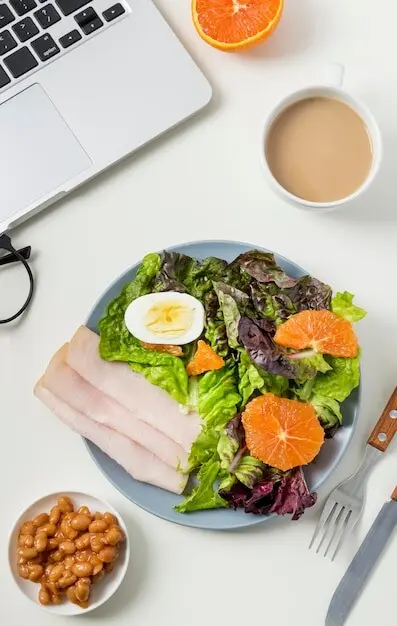
Choose medium plates and deep salad bowls that frame colorful ingredients attractively without inviting excess. Serve family-style vegetables in generous dishes at the center of the table, keeping richer items in smaller vessels. Pre-slice hearty proteins and spotlight grains as supportive, not dominant. These small design decisions gently calibrate satisfaction through visual fullness and texture, guiding seconds toward greens and herbs, rather than toward heavy add-ons that crowd out balance.

Prep Stations That Lower Friction

Create a dedicated prep zone: board, knife, compost bin, towel, salt cellar, pepper grinder, and a small tray for scraps. Keep it ready, always. That tiny permanence reduces start-up time and the mental load of decision-making. You will chop a cucumber, rinse beans, or toast nuts while water boils. Repetition builds fluency, and fluency makes healthy dishes feel effortless on busy nights when motivation usually stalls.

Containers That Cue Cook Once, Eat Twice

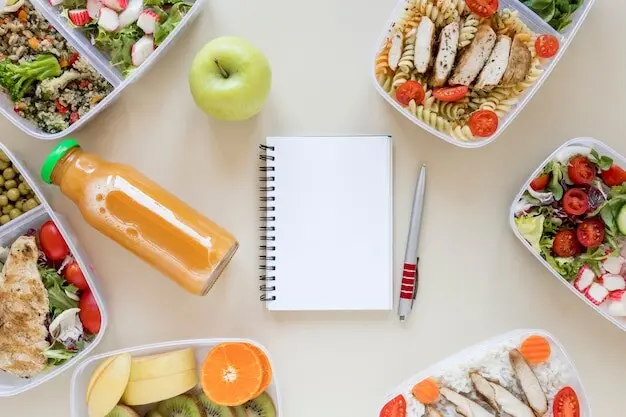
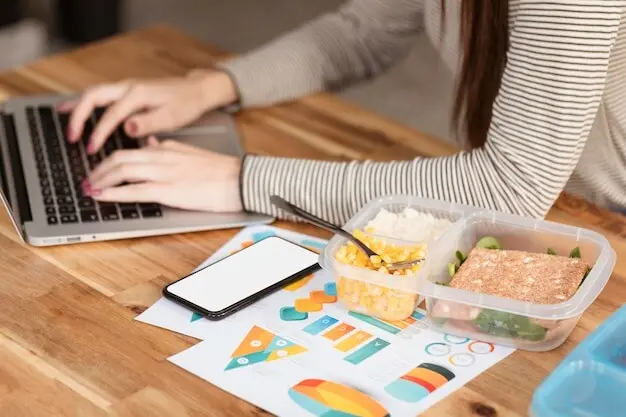
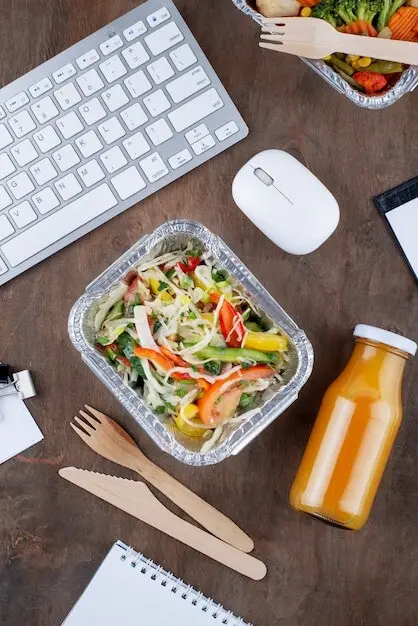
Stock uniform glass containers with leakproof lids so leftovers stack neatly and remain visible. Dedicate one shelf to ready components—roasted vegetables, cooked legumes, vinaigrettes—each labeled with a date. Seeing options lined up like friendly building blocks invites quick assembly bowls. A reader shared that color-coded lids turned Wednesday slumps into satisfying grain salads, simply because choices appeared orderly, fresh, and ready before takeout menus could tempt tired eyes.

Portioning, Tools, and Prep Rituals

Tools teach habits. Measuring spoons on a magnet, stackable glass containers, and light, sharp knives reduce friction and elevate control. Pre-portioning snacks into small jars normalizes balance, not restriction. Regular mise en place transforms chaos into ceremony, helping you cook more intentionally. When equipment is reachable and rituals are repeatable, you default to healthier patterns. It stops being about discipline and starts feeling like a comfortable, rewarding routine worth repeating.

Pantry Psychology and Smart Storage
Shelves script the story of dinner. Place whole grains, legumes, and spices within the first sweep of your gaze, while treats live in lidded bins that require intent. Clear labeling replaces guesswork with calm confidence. Bulk staples reduce last-minute runs and nudge cooking as the easy default. A pantry that answers, rather than questions, shortens the distance between hunger and a nourishing plate, especially when time and energy feel scarce.

Aromas That Invite Cooking

Keep citrus, fresh garlic, and herbs visible to perfume the air the moment you start. A quick zest or crushed clove says, stay, this will be good. Aromas build anticipation that screens cannot match. They nudge you to rinse greens, toast spices, and taste as you go, transforming hurried tasks into sensory cues. When the kitchen smells alive, curiosity returns, and curiosity is a powerful doorway to better meals.

Soundscapes for Mindful Meals

Craft a small playlist for chopping, simmering, and serving. Calmer tempos slow eating speed and encourage conversation, which research links to better satiety. Avoid blaring news or chaotic noise during prep. Give yourself a soundtrack that marks cooking as personal time, not obligation. When moments feel protected, you cook more often and eat more attentively, noticing textures and fullness cues that rushed dinners routinely drown out.

Clutter-Free Surfaces Calm Cravings

Clear the sink and wipe the counter before starting, creating a staging ground that soothes the mind. When the view is peaceful, your choices reflect it. Bagged snacks on display signal grazing; retire them to closed storage. Keep a single beautiful bowl of fruit instead. Calm reduces chaotic nibbling and invites one complete, colorful plate. That plate, enjoyed slowly, satisfies desire more than scattered bites ever can.

Family, Guests, and Social Design

Kitchens shape relationships, and relationships shape menus. A stool at the counter turns kids into curious helpers. A whiteboard with dinner ideas invites partners to contribute. Open bowls of chopped vegetables transform guests into collaborators. Social design distributes effort and deepens joy, making healthy cooking a shared experience rather than a solo task. When everyone belongs in the process, the results taste better, last longer, and happen more often.
Piradexolivoveltopexiravo
Privacy Overview

This website uses cookies so that we can provide you with the best user experience possible. Cookie information is stored in your browser and performs functions such as recognising you when you return to our website and helping our team to understand which sections of the website you find most interesting and useful.